
- Home
- /
- Wood Fence
Wood Fence
7 Categories to Explore
Shop by Category
 1 product
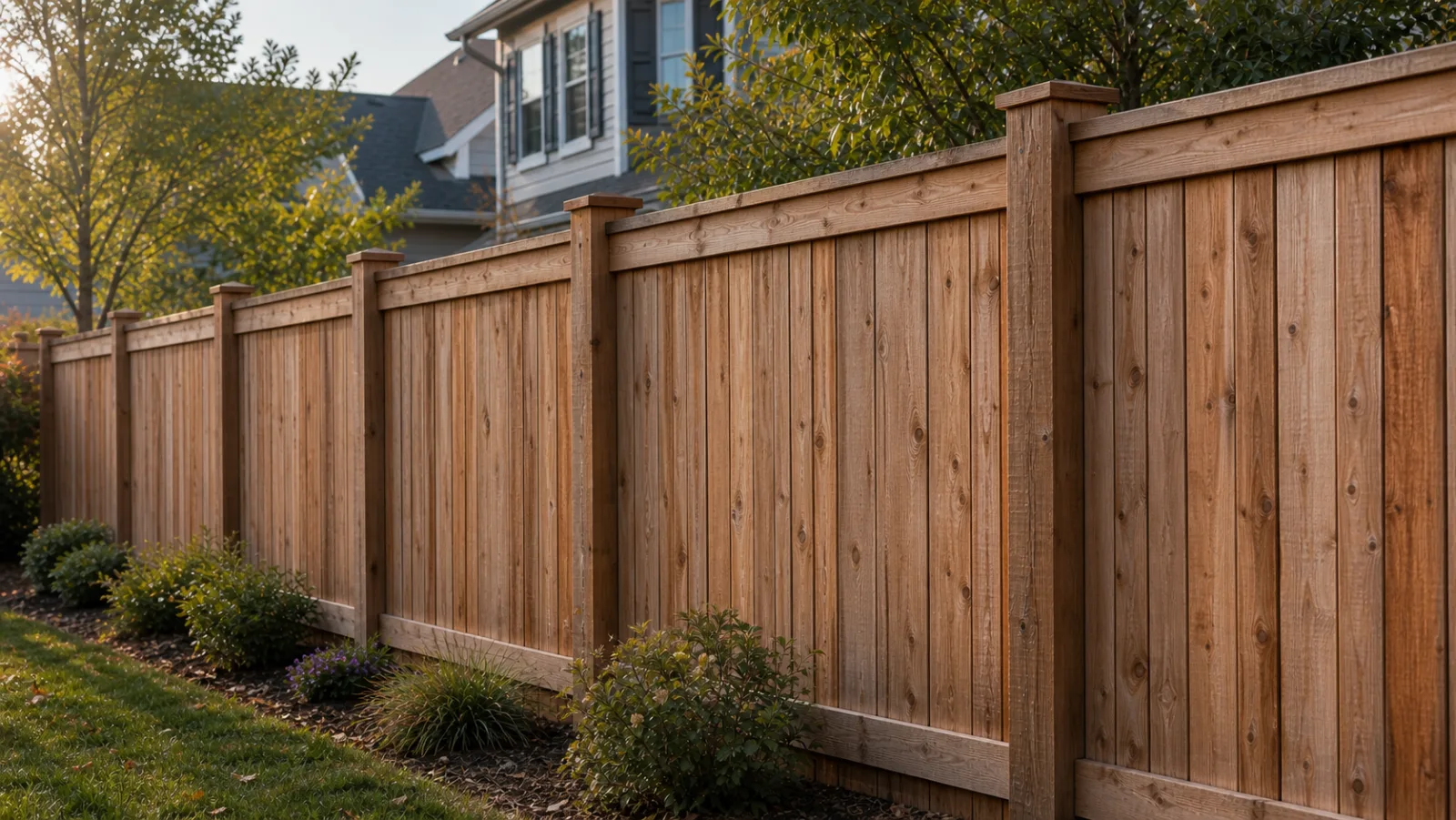
Wood Fence Sections
Wood fence panels in stockade, board-on-board and picket styles. Pre-built sections at wholesale contractor pricing from NMI Fence.
Explore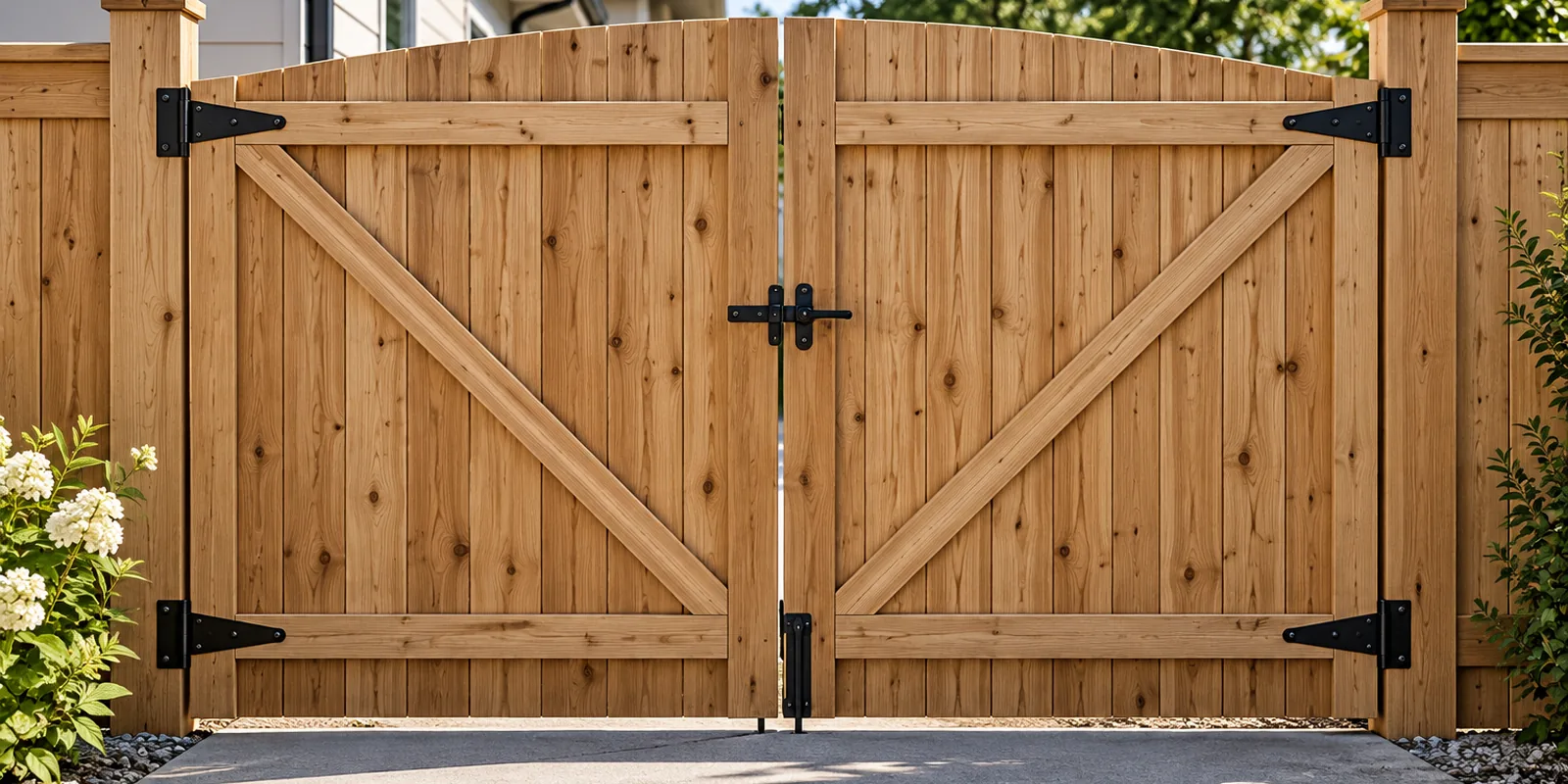 2 products
Wood Fence Gates
Wood fence gates — pre-built walk and drive gates to match stockade, board and picket panels. Wholesale pricing from NMI Fence.
ExploreWood Hardware & Accessories
Wood fence hardware and accessories: gate hardware, screws, brackets and post caps. Everything to finish the job at wholesale pricing.
Explore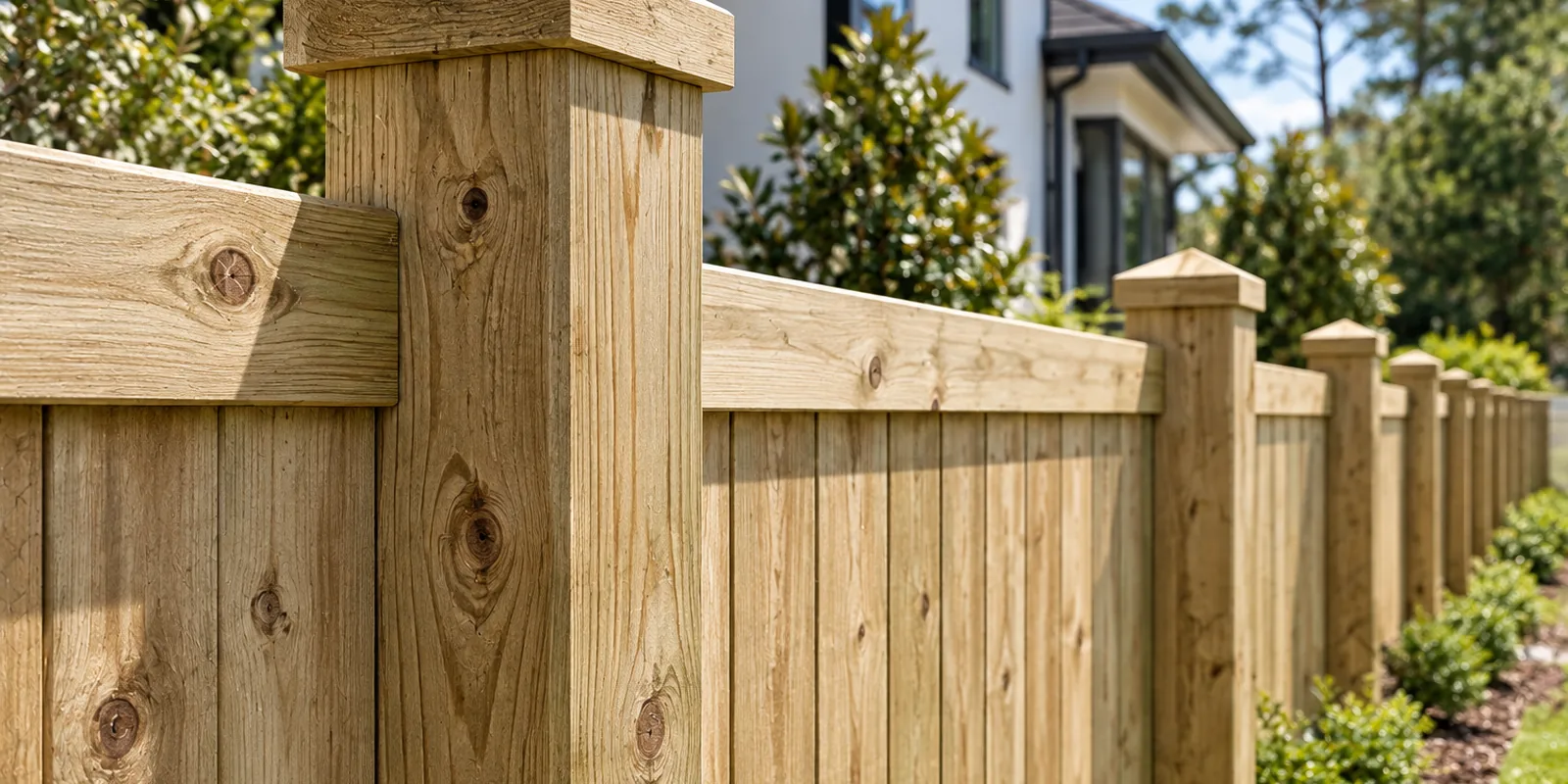 6 products
Wood Fence Posts
Pressure-treated and cedar wood fence posts in all standard sizes and lengths. Contractor quantities at wholesale pricing from NMI Fence.
Explore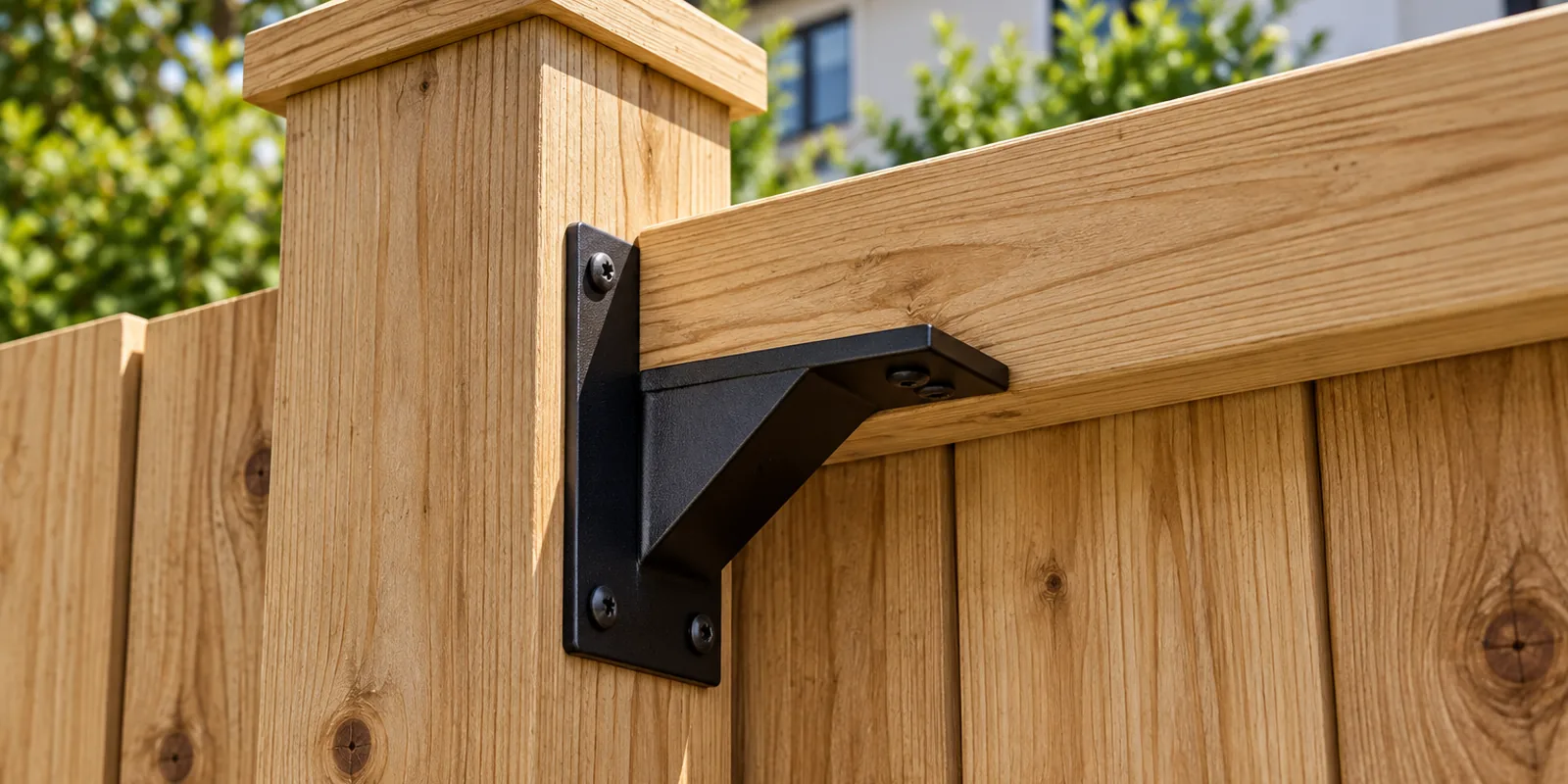 0 products
Wood Fence Brackets
Wood fence brackets and panel hangers for rail-to-post connections. Galvanized hardware in bulk at wholesale pricing from NMI Fence.
Explore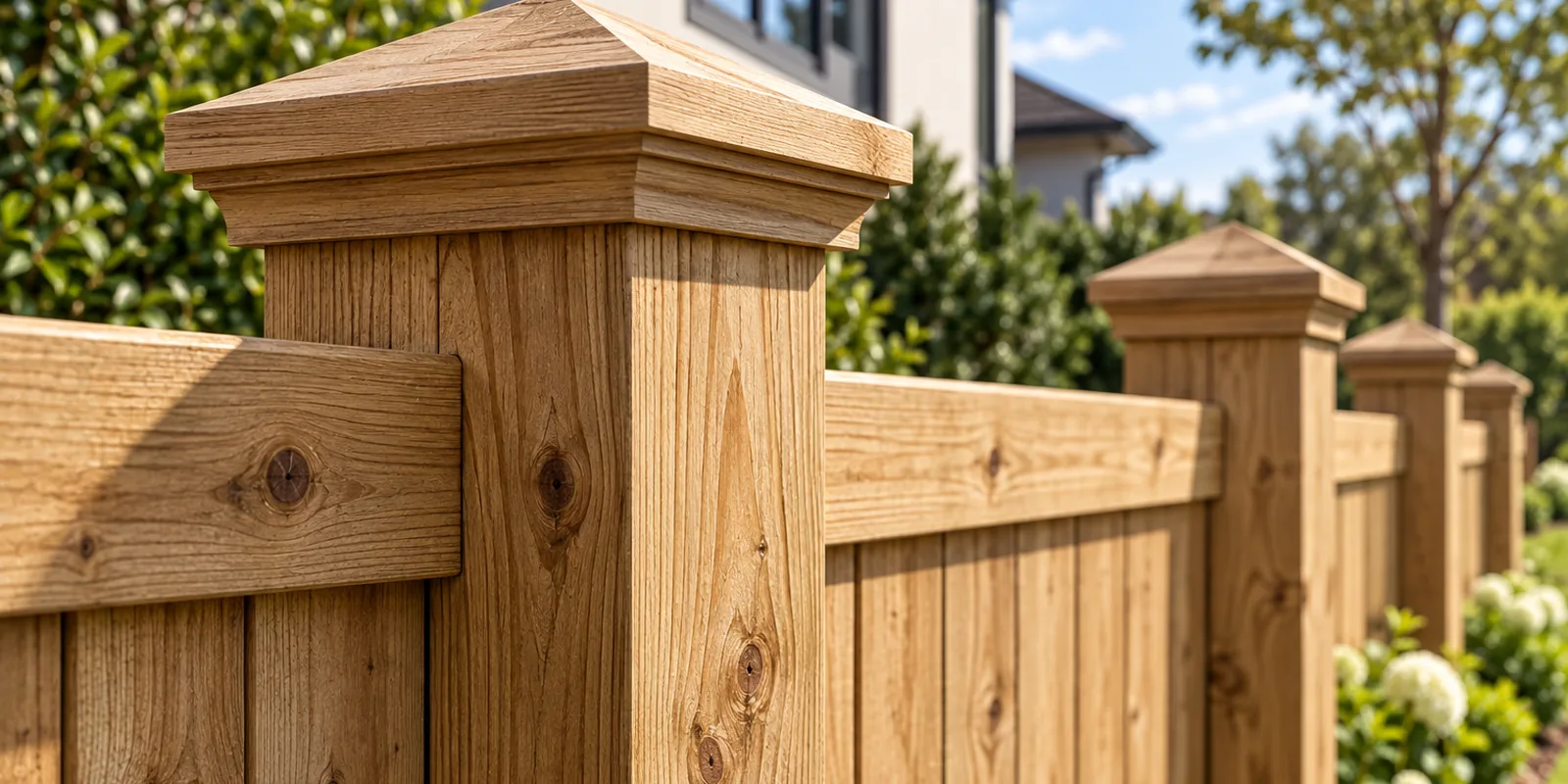 1 product
Wood Fence Caps
Wood fence post caps in flat, pyramid and decorative styles for 4x4 and 6x6 posts. Bulk contractor pricing from NMI Fence.
Explore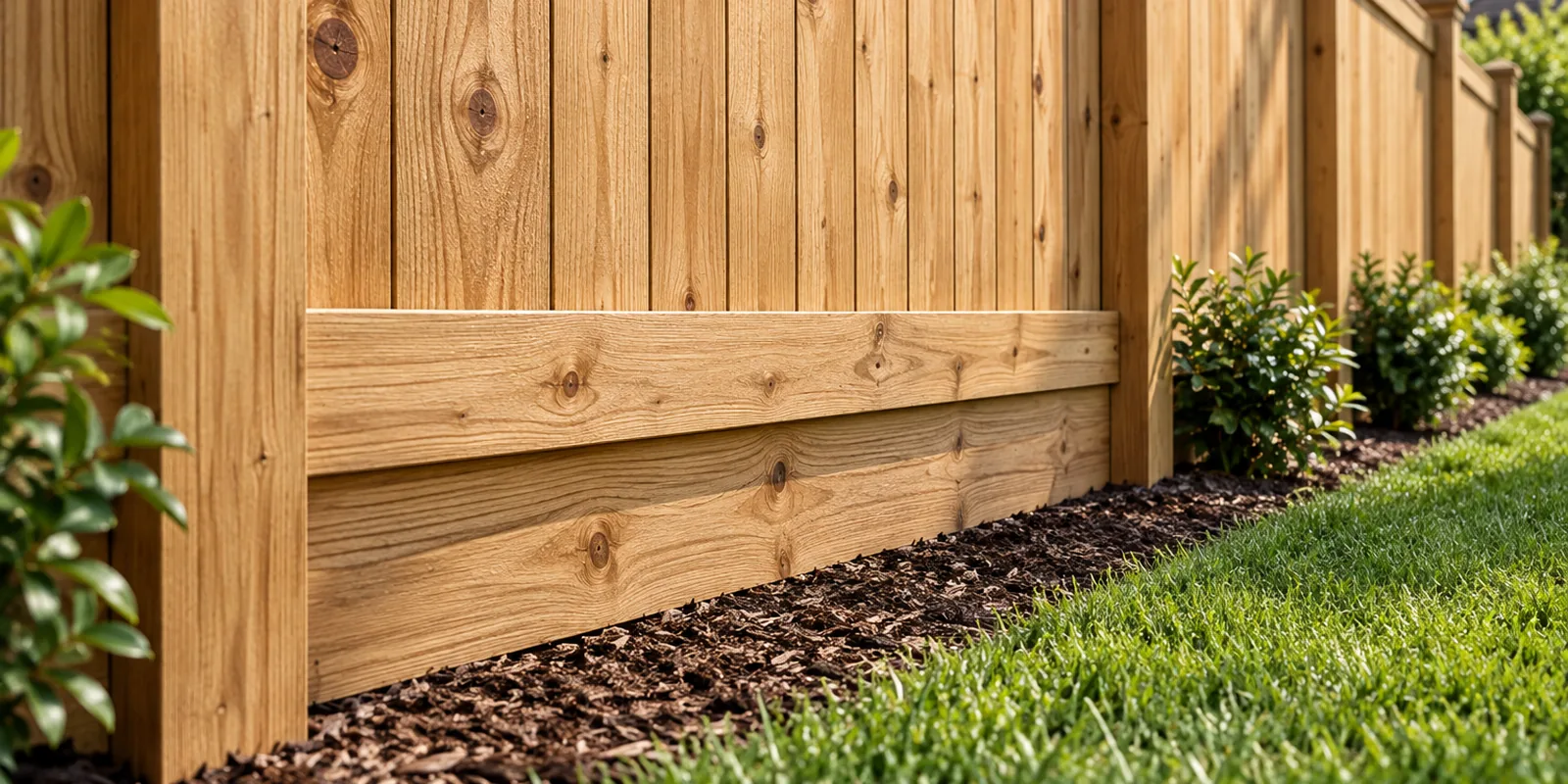 0 products
Wood Fence Skirts
Wood fence skirts and rot boards to close grade gaps and protect panel bottoms. Treated lumber at wholesale pricing from NMI Fence.
ExploreQuality Guaranteed
Professional-grade materials backed by manufacturer warranties
Fast Shipping
Quick delivery anywhere in the continental US
Expert Support
Our team helps you choose the perfect fence system
Wood Fence: Classic Aesthetics with Natural Durability
Wood fencing remains one of the most popular choices for residential and light commercial applications. The natural grain, warmth, and versatility of wood create an aesthetic that synthetic materials work hard to replicate. At NMI Fence Supply, we stock cedar and spruce fence boards, pre-assembled panels, posts, and rails for every wood fence style.
Cedar vs. Spruce vs. Pressure-Treated
Choosing the right wood species is the most important decision in a wood fence project:
- Cedar — Naturally resistant to rot, decay, and insect damage thanks to its oils and tannins. Cedar weathers to an attractive silver-gray if left untreated, or can be stained to maintain its original color. Expected lifespan: 15-25 years.
- Spruce — A budget-friendly softwood that machines well and accepts stain readily. Spruce requires pressure treatment or topical treatment for rot resistance. Untreated spruce fencing lasts 5-10 years; treated spruce extends to 12-15 years.
- Pressure-treated pine — Chemical treatment forces preservatives deep into the wood fibers, providing excellent rot and insect resistance at a moderate price. Requires 3-6 months of drying time before staining. Expected lifespan: 15-20 years.
Fence Styles
We supply wood fencing in the most popular configurations:
- Stockade — Tightly spaced pointed-top pickets for full privacy. The most common wood privacy fence style.
- Board-on-board — Overlapping boards on alternating sides of the rail, creating a fence that looks the same from both sides with no gaps.
- Shadowbox — Boards attached to alternating sides of the rail with gaps between, allowing airflow while maintaining partial privacy.
- Picket — Spaced boards in 3-foot to 4-foot heights. Classic front-yard fencing available in dog-ear, pointed, and flat-top profiles.
- Split rail — Rustic 2-rail or 3-rail fence for rural properties, horse farms, and boundary marking. Typically cedar or locust.
Treatment and Staining
All wood fences benefit from treatment or staining to extend their lifespan. Semi-transparent stains allow the wood grain to show through while providing UV and moisture protection. Solid stains offer more color options but hide the natural grain. Re-application is typically needed every 2-4 years depending on climate and sun exposure.
Rail Configurations and Hardware
Standard wood fences use 2x4 or 2x3 rails in 2-rail (fences under 5 feet) or 3-rail (fences 5 feet and taller) configurations. Metal post brackets, rail brackets, and structural screws create stronger connections than nails alone. For post layout and spacing recommendations, consult our fence post spacing guide.
Looking for fence installation tools? Browse our tools collection for post hole diggers, levels, and fastening equipment.
Resources
Frequently Asked Questions
How long does a cedar fence last compared to spruce?
How often should I stain a wood fence?
How deep should fence posts be set for a wood fence?
What is the difference between stockade and board-on-board fence?
Should I use picket or privacy style for my wood fence?
Personal contact with our experts